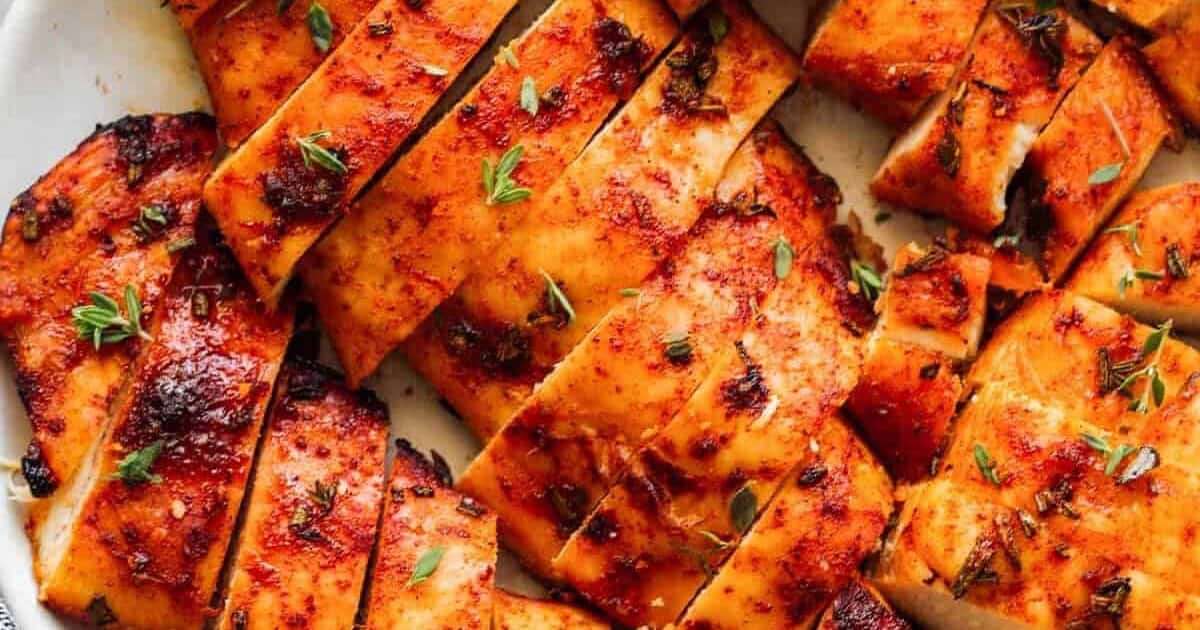
Tired of dry, rubbery chicken breasts? You're not alone. For many home cooks, achieving a perfectly juicy and tender chicken breast can feel like a culinary quest ending in disappointment. But what if we told you there's a simple, fail-proof method that guarantees delicious results every single time, making your weeknight dinners and meal prep a breeze? Enter the glorious world of baked chicken breast.
Gone are the days of constant flipping and worrying about unevenly cooked meat in a skillet. Baking chicken breast is a game-changer, offering a hands-off approach that delivers consistent juiciness and flavor. This method isn't just easy; it's the secret to unlocking chicken that's tender enough for a main dish, versatile enough for salads and sandwiches, and ideal for streamlining your healthy eating goals through effective meal prepping.
Why Baked Chicken Breast is Your New Go-To
When it comes to preparing lean protein, chicken breast often tops the list for its affordability, health benefits, and ease of use. However, its low-fat content also makes it susceptible to drying out if not cooked properly. This is precisely where the baking method shines, transforming a potentially bland ingredient into a star component of countless meals.
- Unmatched Juiciness and Even Cooking: Unlike pan-frying, which can lead to seared outsides and undercooked or dry interiors, baking in a hot oven provides consistent, all-around heat. This ensures your baked chicken breast cooks evenly from edge to edge, sealing in those precious juices and preventing the dreaded dryness.
- Effortless Convenience: One of the biggest advantages of baking is its hands-off nature. Once seasoned and in the oven, you're free to prepare side dishes, tackle other kitchen tasks, or simply relax. There's no need to babysit the pan or meticulously flip each piece.
- Incredible Versatility: A perfectly cooked baked chicken breast is a culinary chameleon. Slice it for vibrant Cobb or Caesar salads, shred it for tacos, dice it for pasta dishes, or serve it whole with your favorite roasted vegetables. It's truly a foundational ingredient for a multitude of recipes.
- Ideal for Meal Prep: Batch cooking chicken breast at the beginning of the week saves invaluable time later on. Having pre-cooked, juicy chicken ready to go means quick, healthy meals are always within reach, simplifying your lunch and dinner routines significantly.
- Health-Conscious Choice: As a lean protein, chicken breast is excellent for muscle building and satiety. Baking requires minimal added fat, making it a healthier alternative to deep-frying and a fantastic addition to any balanced diet.
The Secrets to Perfectly Juicy Baked Chicken Breast Every Time
Achieving that coveted juicy interior isn't magic; it's a combination of simple yet crucial techniques. Forget boring, dry chicken breasts – with these tips, you'll be baking like a pro.
1. Pound for Perfection
One of the most overlooked steps for juicy baked chicken breast is pounding it to an even thickness. Chicken breasts often vary in thickness, with one end being much thicker than the other. Placing them in a zip-top bag or between two sheets of parchment paper and gently pounding them with a meat mallet or rolling pin ensures:
- Even Cooking: All parts of the chicken will cook at the same rate, eliminating dry edges and undercooked centers.
- Increased Tenderness: Pounding breaks down some of the muscle fibers, resulting in a more tender bite.
- Faster Cook Time: Thinner chicken cooks more quickly, reducing the risk of overcooking.
2. The Power of High Heat: 425°F
While some recipes suggest lower temperatures, baking chicken breast at a higher temperature like 425°F (220°C) is key. The intense heat works quickly to sear the exterior, effectively locking in moisture and creating a slightly golden crust, all while cooking the interior rapidly and thoroughly. This method significantly reduces the chance of the chicken drying out. For more details on this technique, check out our guide: Stop Dry Chicken: Your Guide to Juiciest Baked Breasts at 425°F.
3. Simple, Flavorful Seasoning
A delicious spice rub is essential for infusing flavor. While the possibilities are endless, a classic combination provides a fantastic base:
- Spices: Paprika (for color and mild sweetness), dried oregano, garlic powder, salt, and black pepper.
- Olive Oil: A drizzle of olive oil not only helps the seasoning adhere but also adds extra moisture and helps conduct heat, ensuring a beautifully browned exterior. Rub it generously over all sides of the chicken before applying your spice mix.
Don't be afraid to experiment! Try adding onion powder, chili powder, cumin, or dried thyme for different flavor profiles. A dash of cayenne pepper can add a subtle kick.
4. Don't Overcook It (Use a Thermometer!)
This is arguably the most critical tip. Overcooking is the single biggest reason chicken breasts turn out dry and tough. The best way to guarantee perfect doneness is to use an instant-read meat thermometer. Insert the thermometer into the thickest part of the chicken, avoiding the bone if present. Chicken is safely cooked when it reaches an internal temperature of 165°F (74°C).
Keep a close eye on your chicken once it approaches 155°F (68°C), as it can quickly go from perfectly cooked to overcooked in a matter of minutes. Remove it from the oven promptly once it hits the target temperature.
5. The All-Important Rest
Resist the urge to slice into your freshly baked chicken immediately. After removing it from the oven, let it rest, uncovered, for at least 5 minutes. This resting period allows the muscle fibers to relax and the juices, which have migrated to the center during cooking, to redistribute throughout the entire breast. The result? Every bite will be incredibly tender and moist. For a deeper dive into this vital step and other secrets to success, read our article: The Secret to Perfectly Juicy Baked Chicken Breast Every Time.
Step-by-Step Guide to Baking Perfect Chicken Breast
Ready to bake? Here’s a straightforward guide to getting it right:
- Preheat Oven & Prep Pan: Preheat your oven to 425°F (220°C). Lightly grease a baking dish or line a baking sheet with parchment paper for easy cleanup.
- Prepare Seasoning: In a small bowl, combine your chosen spices (e.g., 1 tsp paprika, 1 tsp dried oregano, 1 tsp garlic powder, 1/2 tsp salt, 1/4 tsp black pepper).
- Pound Chicken: Place chicken breasts between two sheets of parchment paper or in a zip-top bag. Use a meat mallet or rolling pin to pound them to an even thickness of about 3/4 to 1 inch.
- Season Chicken: Pat the chicken breasts dry with paper towels (this helps create a better crust). Drizzle them generously with 1-2 tablespoons of olive oil, rubbing it over all sides. Then, rub the seasoning mixture evenly over both sides of each chicken breast.
- Bake: Arrange the seasoned chicken breasts in your prepared baking dish or on the baking sheet, ensuring they are not overcrowded. Bake in the preheated oven.
- For small (5-6 oz) chicken breasts: 13-16 minutes
- For medium (8 oz) chicken breasts: 16-19 minutes
- For large (11-12 oz) chicken breasts: 22-26 minutes
- Check Doneness & Rest: Begin checking the internal temperature with an instant-read thermometer a few minutes before the estimated cook time. Remove the chicken from the oven immediately once it reaches 165°F (74°C). Transfer the chicken to a cutting board and let it rest for 5-10 minutes before slicing or serving.
Maximizing Flavor and Versatility Beyond the Basics
Once you've mastered the basic juicy baked chicken breast, the culinary world is your oyster. Don't be afraid to experiment with different flavor profiles to keep your meal prep exciting and your weeknight dinners fresh.
- Flavor Variations:
- Lemon Herb: Add lemon zest, dried rosemary, and thyme to your spice rub.
- Smoky BBQ: Mix in smoked paprika, brown sugar, and a touch of chili powder.
- Italian: Use Italian seasoning, dried basil, and a sprinkle of Parmesan cheese.
- Spicy Cajun: Incorporate cayenne pepper, onion powder, and a touch of cumin.
- Marinating: For an extra layer of flavor and tenderness, consider marinating your chicken breasts for at least 30 minutes (or up to 4 hours) before baking. Simple marinades using yogurt, citrus juice, or vinegar with herbs and spices work wonders.
- Serving Suggestions:
- Quick Dinners: Pair with a simple green salad, steamed broccoli, roasted sweet potatoes, or fluffy quinoa.
- Meal Prep Powerhouse: Slice and add to grain bowls, wraps, or as a protein boost for packed lunches.
- Creative Meals: Dice it for chicken noodle soup, shred it for enchiladas, or slice it thinly for chicken fajitas after baking.
Troubleshooting Common Baked Chicken Breast Woes
Even with the best intentions, things can sometimes go awry. Here’s how to address potential issues:
- Dry or Tough Chicken: This is almost always a sign of overcooking. Remember the meat thermometer and the 165°F rule! Also, ensure you’re resting the chicken properly after baking.
- Unevenly Cooked Chicken: The culprit here is usually uneven thickness. Take the time to pound your chicken breasts for uniform cooking. If your oven has hot spots, consider rotating the baking dish halfway through.
- Lack of Flavor: Don't be shy with your seasoning! Ensure the chicken is generously coated in olive oil and your spice blend. Marinating can also significantly boost flavor.
- Rubberiness: This texture is typically a symptom of overcooked chicken that hasn't been allowed to rest, causing the proteins to tighten up too much.
Embracing the baked method for chicken breast is more than just learning a recipe; it's adopting a technique that consistently delivers moist, flavorful results, making it an indispensable tool for both spontaneous weeknight dinners and efficient meal preparation. By following these simple steps and understanding the 'why' behind each tip, you'll confidently banish dry chicken from your kitchen forever. So go ahead, preheat that oven, season those breasts, and get ready to enjoy perfectly juicy chicken, every single time.
